The value of veterinarians in ensuring sustainability for Africa’s fast-growing aquaculture industry
Sub-Saharan Africa is enjoying an aquaculture boom — with fish health and welfare services moving in turn to meet the sector’s needs and ensure sustainable growth. In an interview, veterinarian Brandon Spolander, BVSc, MRCVS, SAVC, MSc, owner of Aquavet Africa, talks about engaging with the growing industry and addressing important gaps.

News & Trends
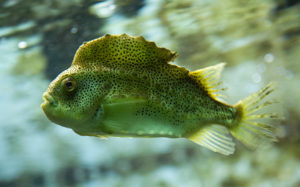
User-friendly tools put cleaner fish welfare in the spotlight
A package of tools designed by scientists at Swansea University has been made available to help producers monitor the welfare of lumpfish, commonly used as biological control for sea lice on salmon farms.

New system to assess gill disease could help salmon producers
Gill disease in Atlantic salmon is caused by a number of pathogens and has different clinical and pathological signs. This means that to date, there has been no standardized methodology developed for field diagnosis, despite the fact that gill health issues are a growing concern for salmon producers in all the major salmon-producing nations.
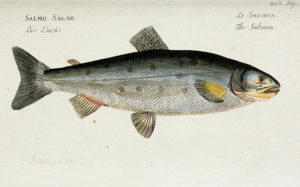
Taking farmed fish welfare beyond the ‘five freedoms’
Over the last decade, a considerable body of research has demonstrated the capacity of fish to suffer – yet there remain unknowns around what causes the most serious negative impacts on their quality of life.

Biosecurity’s crucial role in ensuring sustainable future for global aquaculture
An interview with Vera Agostini, deputy director, Fisheries and Aquaculture Division, the Food and Agriculture Organization (FAO) of the United Nations.
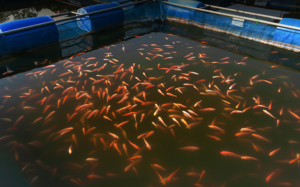
New knowledge sheds light on bacterial threats to Asian tilapia aquaculture
A growing understanding of bacterial pathogens is highlighting the challenge Asian tilapia producers face, but good health-management practices on fish farms and new diagnostic technologies can help, says an academic expert.

The road to sea-lice-resistant Atlantic salmon
An interview with Diego Robledo, PhD, scientist in aquaculture genetics and genomics at the Roslin Institute in Edinburgh.
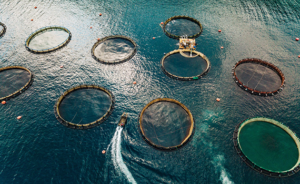
Non-medicinal delousing approaches cause damage to salmon gill tissue
New research shows that thermal and mechanical delousing techniques used in Atlantic salmon aquaculture can cause damage to gill tissue, though the health impacts of this on farmed fish remain unknown.
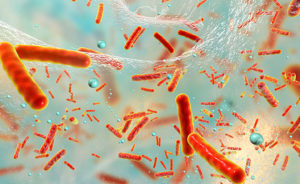
Levels of antimicrobial resistance in Asian aquaculture ‘concerning,’ say scientists
Twenty years’ worth of data “raise urgent concerns” about antimicrobial resistance in Asian aquaculture, say the authors of a new review.